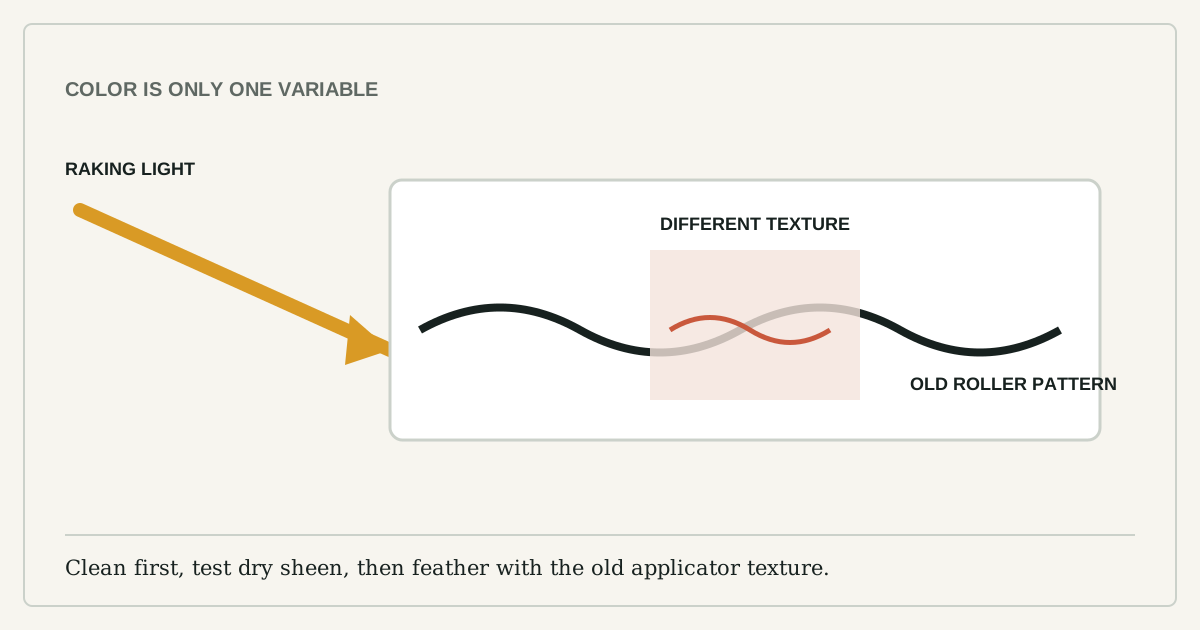
The reason a trim touch-up can look worse than the scuff it covered is often sheen or surface texture, not color alone. Baseboards and door casing sit where low, raking light travels across them, and that light makes small gloss changes easy to see. Two dabs of the "same" paint can flash — look shinier or duller than the surrounding trim — because the old finish has aged, the paint was not fully mixed, the applicator left a different texture, or the new film cured differently.
First decide whether it's even a paint job
Many marks on trim are dirt rather than missing paint. Trim collects hand oil at grab height, floor-cleaner mist along the bottom, and grey scuffs from shoes and vacuum bumpers. Wipe the mark with a damp microfiber cloth and a drop of mild dish soap, then rinse with a second clean-water pass. If the mark lifts without exposing the base coat, stop there. Aggressive scrubbing can burnish the finish and create the shiny patch you were trying to avoid.
Test the match before touching the visible run
Before you commit, do a hidden test. Stir leftover paint thoroughly from the bottom of the can because finish components can settle during storage. Brush a small amount onto a low-visibility spot such as the back edge of a door stop. Let it dry for the label's stated recoat time, then inspect it after the film has had more time to settle, using the same side light that exposes the original mark. A good hidden match supports a spot repair; a visible difference points toward repainting a complete section.
Feather, don't dot
The single biggest mistake is dropping a thick oval of paint in the middle of the scuff. It dries with a raised rim that catches light forever. Instead:
- Scuff only the damaged spot with a fine (220-grit) sanding sponge, just enough to dull it, then wipe the dust with a barely damp cloth.
- Load an artist's brush or a small angled sash brush lightly, and lay the paint with the length of the trim, not across it.
- Feather the edges out to nothing — thinner at the perimeter than the center — so there's no hard boundary for light to find.
- Stop. One thin pass that slightly under-covers beats a thick pass that flashes; you can add a second thin coat after it dries.
Match the old applicator texture
Color and sheen are only two parts of the match. A brushed patch over trim that was sprayed, or a foam-roller patch over visible brush marks, can catch light differently even when the paint is exact. Look closely at the undamaged area. Long parallel ridges suggest a brush; a fine stipple suggests a small roller; an unusually smooth factory-like film may have been sprayed. Use the closest practical applicator and follow the original stroke direction.
Keep the repair small at first. Decant a little paint into a clean cup rather than working from the storage can, which avoids adding dust or wash water to the remaining paint. Load the brush lightly, remove excess on the cup edge, and extend the final strokes beyond the damaged center with almost no pressure. Do not keep brushing as the paint begins to tack: partially set paint develops ridges instead of leveling.
Choose the repair scope before opening the can
| What you see after cleaning | Best first move | Why |
|---|---|---|
| One shallow scuff, exact paint available | Hidden test, then a thin feathered touch-up | The smallest repair preserves the surrounding finish |
| Bare wood, filler, or primer showing | Spot-prime the exposed substrate, then test the topcoat | Porous material can change color and sheen |
| Several marks along one baseboard | Recoat corner to corner | Natural breaks hide the transition |
| Unknown paint or a visible sheen mismatch | Match a sample and plan a full section | More spot coats will not correct a bad match |
| Peeling, dampness, or repeated staining | Diagnose the substrate first | New paint will not fix moisture or failed adhesion |
When to stop spot-fixing and paint to a break
If the trim is yellowed, glossy from years of cleaning, or dinged along its whole length, scattered touch-ups just create shiny islands. The cleaner result is to repaint the whole run between natural breaks — corner to corner on a baseboard, or the full stile of a door casing — so every visible edge ends at a joint, not mid-board. It's more paint but far less fuss than chasing flashes, and it's the honest call when the old finish is simply worn out.
If you don't have the original paint
No leftover can? A clean sample chip from a hidden spot gives a paint retailer more useful information than a phone photo whose white balance changes with the light. A scanner can narrow the color match, but it cannot reproduce aging, the old applicator texture, or an unknown sheen. Buy the smallest practical quantity and test color, sheen, and texture together. If the test is close but still visible, painting a full section to a corner usually hides the transition better than enlarging the spot.
Two cautions
Paint in a home built before 1978 may contain lead. Sanding can create hazardous dust, so a renter should contact the property manager and a homeowner should follow EPA lead-safe guidance or use a qualified lead-safe professional before disturbing an unknown coating. Also match the paint type: water-based trim enamel and older oil-based finishes behave differently. If the existing coating is peeling, soft, or reacting to the cleaner, stop and identify the finish before adding another layer.