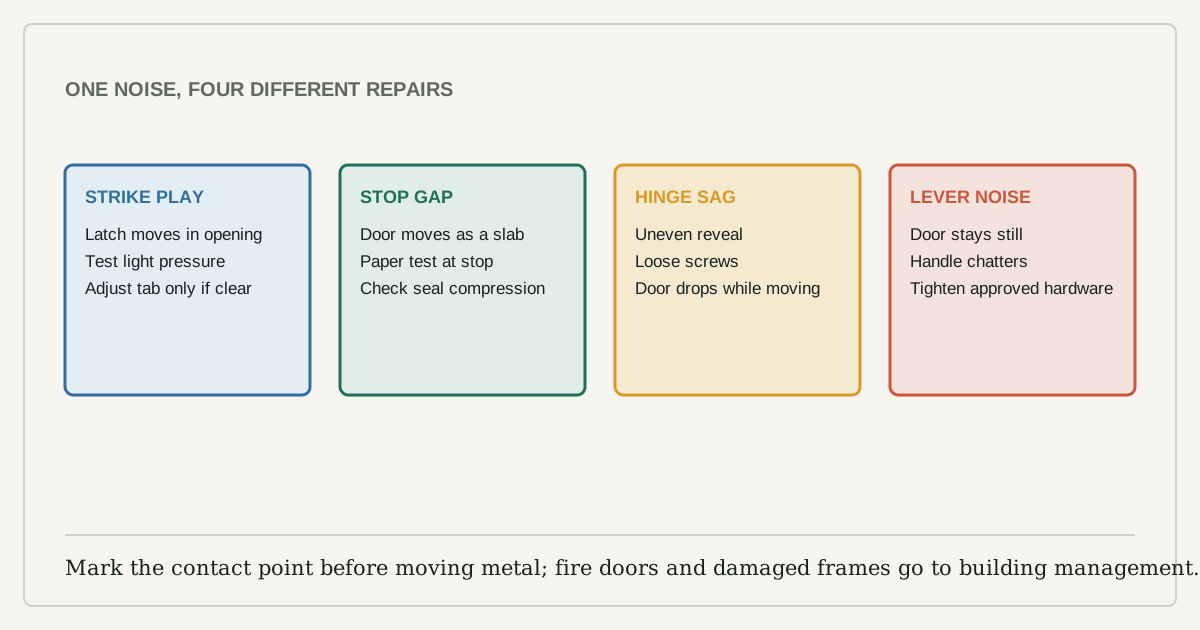
A latched door can rattle because the latch has play in the strike, the door is not held firmly against the stop, a hinge is loose, or the lever itself is noisy. Those faults need different fixes. Diagnose the movement before replacing hardware; a new latch will not correct a loose stop or a sagging door.
Start at the strike plate
The strike plate is the metal plate on the door jamb the latch clicks into. Close the door slowly and watch the latch enter: if it seats loosely with visible play, the plate's opening is slightly forward of where the latch rests. Two cheap fixes:
- Bend the strike tab. Many strike plates have a small tongue inside the opening. Gently bending it toward the doorstop with pliers narrows the gap and grips the latch. Small adjustments — check after each.
- Test a thin removable bumper on the stop where the door meets it. If the noise disappears and the door still latches without force, you have confirmed a stop gap before making a permanent adjustment.
Is the stop doing anything?
The doorstop is the strip of trim the door closes against. If it's set a hair too far back, the door has fore-aft play even when latched. You can add a thin self-adhesive foam or felt strip along the stop to take up that slack, or (more work) reposition the stop molding. On exterior-style or drafty doors, worn weatherstripping does the same job as a missing bumper — replace it and the rattle often goes with the draft.
Loose hinge screws, and the sag that follows
A door that has dropped even slightly changes how the latch meets the strike. Open the door partway, support its weight, and check each hinge leaf for movement while the door is gently lifted. Tighten only loose screws with the correct driver and stop when they are snug; overtightening can strip the jamb. If a screw spins without tightening, the hole needs a proper repair. Renters should report it rather than improvise inside the frame, and a heavy exterior door is better handled by someone equipped to support and align it safely.
Latch alignment, last
Only if the first three don't do it, look at the latch itself. Does the bolt line up vertically with the strike opening? If it sits high or low, the door has shifted (go back to Step 3) or the strike needs to move — enlarging or repositioning the strike mortise slightly. This is the most involved step and rarely necessary once the gap is closed.
Mark the contact point before you move any metal
Guessing at strike alignment creates oversized screw holes and a plate that still misses the latch. Put painter's tape over the strike face, rub a little washable chalk on the end of the latch bolt, and close the door normally once. The witness mark shows whether the bolt lands centrally, high, low, or toward one edge. Open the door and photograph the mark before removing the tape.
If the plate must move, trace its original position lightly in pencil and make one small adjustment at a time. Test the door from both sides after every change. The latch should enter without lifting or forcing the door, and the lever should return freely. Stop if the plate screws no longer hold, the jamb is split, or the bolt pocket would need significant cutting; those conditions need a proper frame repair rather than a larger hole.
Latch play and frame movement are different noises
Latch the door, then push and pull gently at the handle without turning it. Side-to-side play at the latch suggests clearance at the strike. Press the door face toward the stop at the top, middle, and bottom; movement at only one point suggests the stop or door is not aligned evenly. Finally, hold the door still and shake the lever itself. If the lever rattles while the door does not move, inspect the hardware instructions rather than shifting the strike.
| Observation | Likely area | First reversible check |
|---|---|---|
| Door moves in and out while latched | Strike or stop clearance | Temporary thin bumper at the stop |
| Latch rubs high or low | Hinge sag or strike alignment | Tighten visibly loose hinge screws |
| Lever rattles but door stays still | Lever return spring or fasteners | Check the manufacturer's hardware guide |
| Noise changes with weather | Door swelling or weatherstrip compression | Recheck clearance in the problem condition |
| Exterior door leaks air or light | Seal, threshold, or alignment | Ask the property manager or door professional |
When new hardware genuinely is the answer
Buy parts only when the diagnosis points there: the latch bolt is worn, sticky, or does not spring back; the lever has failed internally; or the strike plate is cracked or badly bent. Match the replacement to the door preparation and backset rather than buying by appearance.
Do not casually modify a labeled fire door, smoke door, apartment entry door, or security door. Added foam, a moved strike, or an altered closer can affect latching and the tested assembly. If the door is self-closing, carries a fire label, protects a shared corridor, or no longer latches reliably, report it to the property manager or a qualified door professional. A quiet door is useful; a door that closes and latches as designed is the priority.