A water-leak sensor only reacts after water reaches its probes. That sounds obvious, yet many are placed on a high shelf, beside the cabinet door, or on an absorbent liner that holds the first puddle away from the sensor. The useful installation begins with water paths, not app pairing.
This guide covers removable moisture sensors under ordinary kitchen or bathroom sinks. It does not cover automatic shut-off valves, concealed-pipe diagnosis, electrical work, or plumbing repairs. If a connection is actively dripping, the cabinet is swollen, or water is near electrical equipment, stop the setup and deal with the leak safely.
Empty the cabinet and read its shape
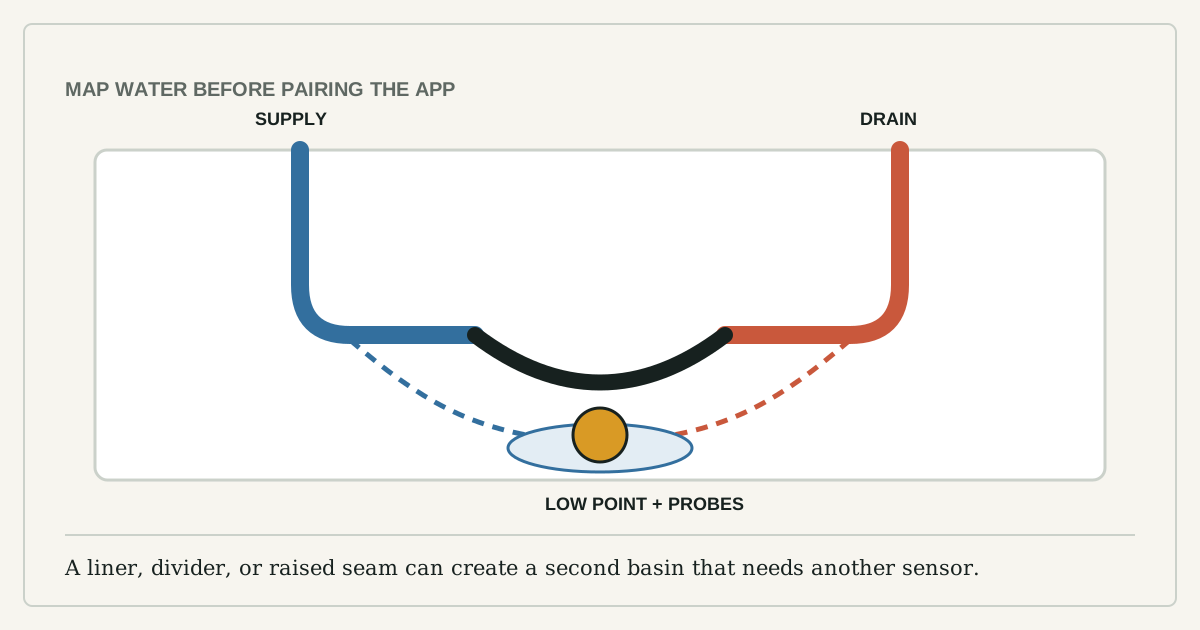
Remove bottles, bins, and liners. Dry the base completely. Use a small level or roll a marble gently in several directions to find the low point; cabinet bases are rarely as flat as they look. Inspect these likely sources:
- hot and cold supply connections;
- shut-off valves and flexible hoses;
- the drain trap and slip joints;
- a dishwasher or filter hose passing through the side;
- the faucet body above, where water can run down the hoses;
- the cabinet back and floor, which may receive water from somewhere else.
Look for mineral deposits, green or white corrosion, darkened board, lifted veneer, or a clean track through dust. Those marks are evidence of past movement. A sensor belongs where several likely paths converge, not simply under the center of the basin.
Moisture sensor or flow monitor?
EPA WaterSense separates two product types. A moisture sensor detects unexpected dampness at a location. A flow monitor watches water use in the plumbing system and may identify patterns that suggest a leak. An under-sink disk is the first type: local, cheap, and blind to water that never reaches it.
That makes placement the entire test. One sensor cannot cover both sides of a wide cabinet if a center divider blocks water. A second sensor or a manufacturer-approved extension probe may be more useful than a louder alarm.
The best contact point sits downstream of the likely leak
Place the probe on the cabinet base at the low point, close to the highest-risk connection but outside the normal splash zone. Keep it clear of cleaning bottles that can tip and trigger a false alarm. Do not bury it under a tray, mat, or folded cloth. If you use a rigid catch tray, put the sensor inside at the tray's low point, provided the sensor's instructions allow it.
Avoid adhesive mounting until the test proves the location. The sensor may need to move after you see how a teaspoon of water travels across the cabinet.
Will the whole alarm route work?
Follow the exact manual. A typical contact sensor can be tested by bridging its probes with a damp cloth or a small amount of water, but use only the maker's stated method. Confirm four things separately:
- The local sound or indicator activates.
- The hub or controller receives the event.
- The phone notification arrives when the phone is off the home Wi-Fi.
- A second household member receives the alert if that is part of the plan.
Then dry the probes and confirm the alarm clears. Record the test date. EPA WaterSense recommends checking installed detection systems at least yearly; a quarterly check is easier to remember when paired with filter replacement or smoke-alarm maintenance.
A path test needs only a few drops
With the cabinet dry and empty, place a towel at the front edge. Put a teaspoon of clean water beside one likely connection point, well away from outlets or powered equipment, and watch where it travels. Do not pour water onto plumbing, cabinet seams, or the sensor itself. The goal is to observe the surface slope, then wipe it up immediately.
If water stops behind a raised seam or liner, move the sensor to that basin. If it runs toward the room before reaching the probes, the cabinet needs a tray or a second detector. Photograph the final position so it can be restored after cleaning.
False alerts are diagnostic too
A sensor that alarms whenever wet cleaning products are returned is badly located. So is one exposed to routine sink splash through a cabinet gap. Fix the source of normal moisture or move the device a small distance while keeping it in the leak path. Do not mute recurring alerts and assume they are harmless; inspect the cabinet dry before resetting.
Battery warnings, offline notices, and hub failures need their own alert route. A silent app icon is not a maintenance system.
What the sensor cannot do
It cannot stop a supply hose, identify the leaking fitting, dry wet particleboard, or protect an area it cannot physically reach. A shut-off-capable system adds another layer, but it also adds installation, valve, power, and false-shutoff questions that belong in a separate project.
The under-sink sensor earns its place when its probes sit in a proven water path, the notification reaches a person who can act, and the household repeats the test. Pair it with a monthly visual check; technology should make the inspection easier to remember, not replace it.